
 Español



An actuator is only as good as the valve it is bolted to. We have seen well-specified pneumatic and electric actuators fail to deliver simply because the torque, stem, or mounting pattern did not match the valve underneath. The good news is that matching an actuator to a valve is a step-by-step process. You do not need to guess; you need the valve data, a few measurements, and a clear view of how the assembly will be used.
Start with the valve, not the actuator
Before you open an actuator catalog, pin down the valve. A quarter-turn ball valve, a multi-turn gate valve, and a spring-return butterfly valve ask different things of an actuator. Record the valve size, pressure class, body material, trim, and seat material. Then get the manufacturer's torque data at the actual operating conditions—not just a generic catalog figure. Breakaway torque, running torque, and seating torque can differ widely, especially on metal-seated valves or after a period of inactivity.
If the valve is a stainless steel instrument ball valve, our guide to choosing the right stainless steel instrument ball valve walks through the selection points that matter before the actuator is added. That order matters: valve first, actuator second.
Size the actuator for torque, not just pipe size
A common mistake is to match actuator torque to valve size. Torque is the real currency. Use the valve manufacturer's breakaway torque at the maximum differential pressure and temperature, then apply a safety factor. For clean, lubricated service, 1.25 to 1.5 is a practical starting range; for dry, sticky, or high-cycle service, go higher. Check both breakaway and running torque, and confirm the actuator's output torque at the available air supply or supply voltage. An actuator rated at 5 bar may not produce the same torque at 4 bar.
For example, when matching a quarter-turn actuator to a stainless steel double ferrule ball valve, the valve's stem and mounting pad are part of the torque equation as much as the actuator's spring return. A valve that turns freely by hand still needs a torque margin once line pressure and temperature are applied.
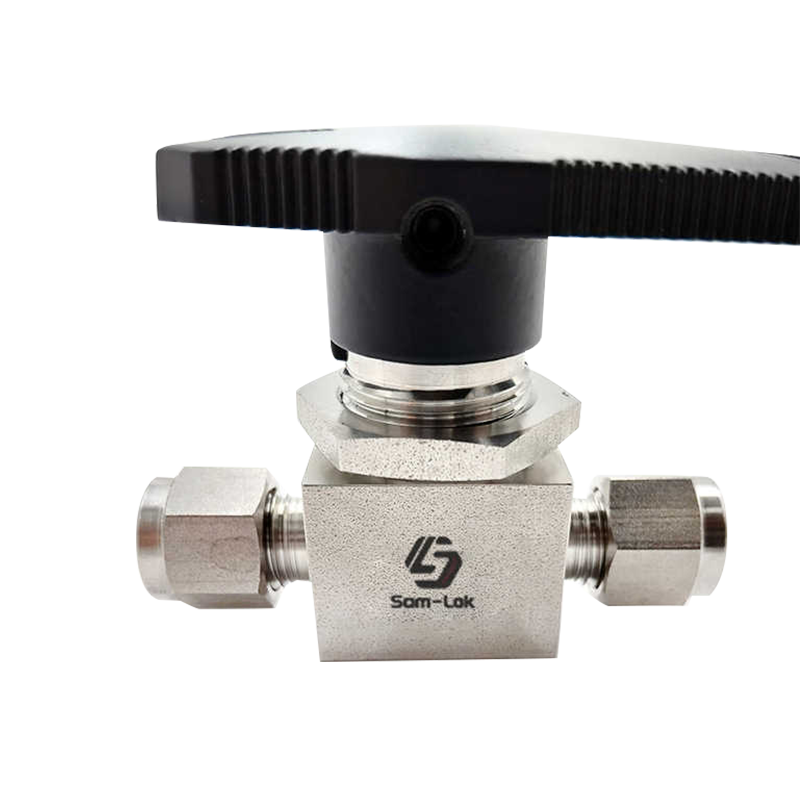 Stainless Steel Double Ferrule Ball ValveHigh-pressure stainless steel ball valve for quarter-turn actuator matching, with 3000 psig rating and top-entry access for inspection.View Product →
Match the mounting interface and stem drive
The mechanical interface is where many mismatches hide. Check the valve's mounting flange pattern—ISO 5211 is common, but not universal. Confirm the stem shape (square, flat key, double-D), stem dimensions, and stem height. The actuator's output drive and the valve stem must engage fully without side load. If a bracket and coupler are needed, make sure they are centered and rigid. A coupler that is too loose will wear the stem; one that is too tight can make assembly difficult and load the bearings.
| Check | What to confirm | Why it matters |
|---|---|---|
| Mounting pattern | Flange size, bolt circle, and thread depth | Prevents adapter plates and drilled brackets |
| Stem drive | Square, flat key, or double-D shape and dimensions | Ensures full engagement without backlash |
| Stem height | Distance from flange face to stem top | Avoids coupler interference or partial engagement |
| Coupler fit | Clearance, concentricity, and material | Reduces wear and side loading on the stem |
A stainless steel female NPT thread ball valve with a mounting pad is a common example where the flange pattern and stem drive should be confirmed before ordering the actuator. The same check applies to any valve that will be automated later.
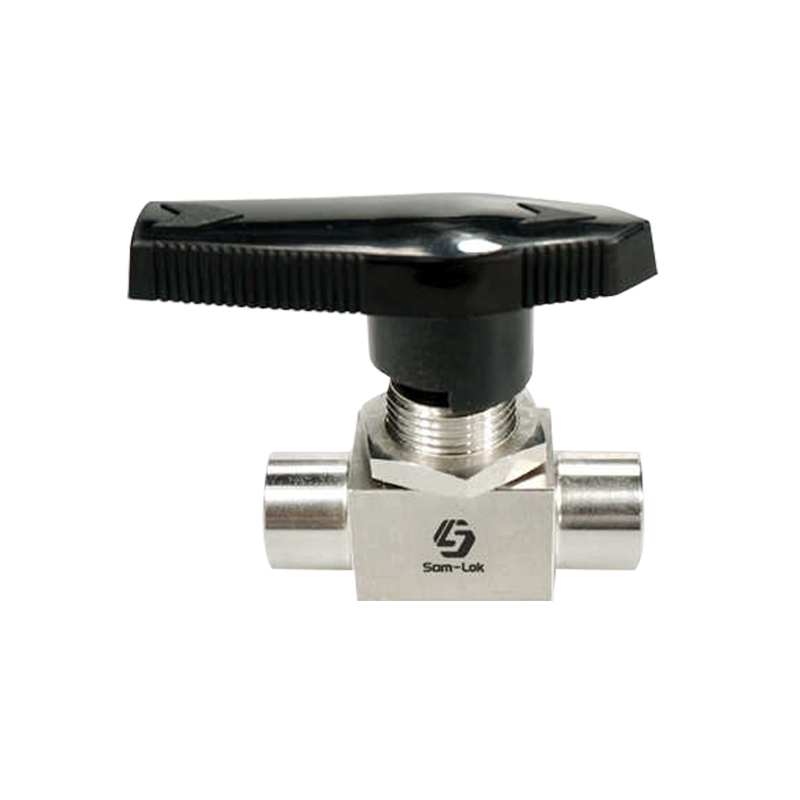 Stainless Steel Female NPT Thread Ball ValveCorrosion-resistant female NPT ball valve with a mounting pad, suited for confirming stem drive and travel before actuator selection.View Product →
Confirm rotation, stroke, and travel time
Most ball and butterfly valves are quarter-turn, but not all quarter-turn valves stop at the same angle. Verify the valve's open and closed positions and whether the actuator has adjustable travel stops. For multi-turn valves, match the actuator's turns and thrust. Travel time matters in modulating or emergency shutdown service; a fast actuator can create water hammer, while a slow one may not meet the process demand.
Also confirm position feedback. Limit switches and visual indicators should show the true valve position, not just the actuator position. If the valve has a manual override or a locking device, make sure the actuator package leaves room for it.
Choose the actuation method and duty cycle
Pneumatic actuators are simple, robust, and well suited to on/off and spring-return fail-safe duty. Electric actuators give precise positioning and are easier to integrate where compressed air is not available. Hydraulic actuators suit high thrust and harsh environments. Whatever the method, check duty cycle, ambient temperature, and control signal. A 100% duty actuator is not automatically better if the valve only cycles a few times a day; it may add cost and complexity.
For modulating service, verify the actuator's resolution and dead band. For on/off service, focus on torque margin and cycle life. The control method should follow the process requirement, not the other way around.
Plan for fail-safe behavior, accessories, and environment
Fail-safe behavior should be decided early. If air or power is lost, should the valve open, close, or stay in place? A spring-return pneumatic actuator can provide a defined failure position, but the spring must be sized to move the valve under the worst-case torque. Accessories such as solenoids, limit switches, positioners, and air filter regulators add interfaces that must fit the actuator and the available space. In corrosive or washdown areas, specify the right housing and coating. For high-pressure service, the valve body and actuator mounting must handle the pressure thrust without distortion.
When the assembly is going into a high-pressure line, a stainless steel high-pressure ball valve with a rigid mounting interface is a better starting point than a light-duty valve with an adapter. The actuator can be perfectly sized and still perform poorly if the valve body flexes under load.
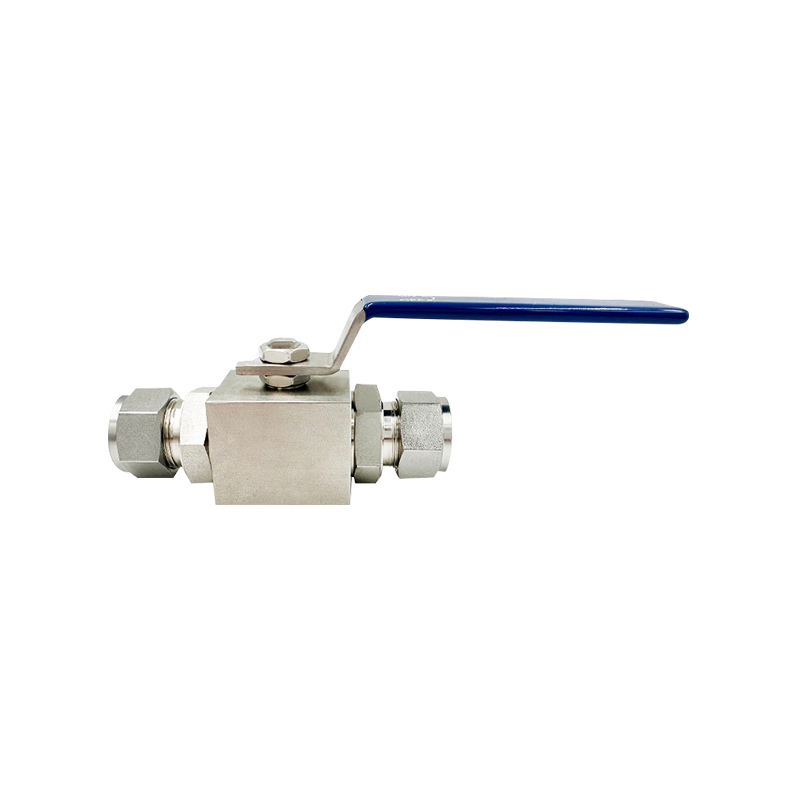 Stainless Steel High Pressure Ball ValveHigh-pressure stainless steel ball valve rated to 10,000 psig with customizable connections and actuator options for demanding pipeline service.View Product →
A practical matching checklist
- Record valve type, size, pressure class, and seat material.
- Obtain breakaway and running torque at operating conditions.
- Measure stem shape, dimensions, and mounting pattern.
- Select actuator torque with a safety factor and confirm at actual supply pressure.
- Verify rotation, stroke, travel time, and fail-safe position.
- Check accessories, environment, and assembly clearance.
This checklist is simple, but it prevents most field surprises. If any item is unknown, stop and confirm it before the actuator is ordered.
Bringing it together
Matching an actuator to a valve is not a single number—it is a chain of compatibility checks. When torque, stem, mounting, rotation, duty, and fail-safe behavior line up, the assembly performs predictably and maintenance becomes simpler. At Nantong Samson Precision Industry, we supply stainless steel valves and fittings for instrument, hydraulic, and general fluid systems, and we are glad to help you review the valve side of the actuator match. If you are still comparing valve options, our fluid system components are a good place to start.
